Haiye Medical Haiye Medical

2026 Best Fiber Optic Laryngoscope Uses Explained?

Time:2026-09-28 Author:Sophia
0%

A fiber-optic laryngoscope can bring the larynx into view when a direct line of sight is limited. Its flexible, illuminated tip can help trained clinicians assess the upper airway and support selected intubation plans. These fiber-optic laryngoscope uses matter in operating rooms, intensive care, and some diagnostic evaluations. The instrument is valuable, but it is not a magic wand.

Airway educator Dr. Richard Levitan is known for teaching practical airway visualization. A cautious paraphrase of that approach is: “A better view helps, but preparation still matters.” This is not a verbatim quotation. It captures an important clinical point: device choice depends on the patient, the setting, and the clinician’s training. A clear image cannot replace judgment, monitoring, or a backup plan.

This guide explains common uses, including anticipated difficult airways, selected awake airway procedures, and laryngeal examination. It also distinguishes a laryngoscope from related flexible endoscopes, which are sometimes confused in everyday descriptions. That distinction matters. So does patient safety. The scope’s camera, light source, and flexible shaft can be affected by handling, secretions, or limited visibility. Even an experienced clinician may need another approach. That is worth admitting. The best use is not simply choosing the newest device; it is matching the tool to the clinical need and recognizing when its limits have been reached.
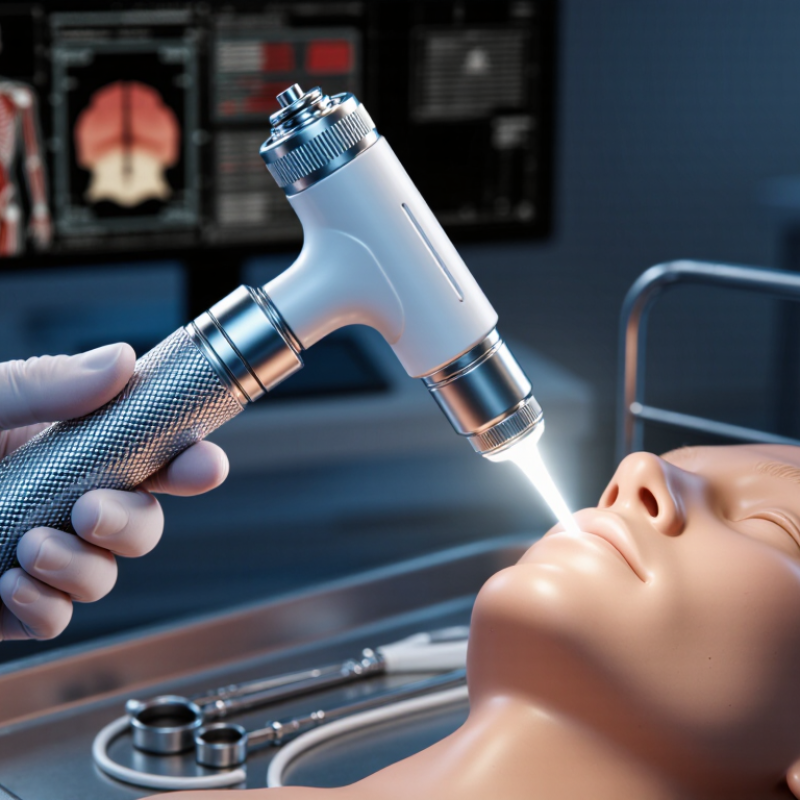
2026 Best Fiber Optic Laryngoscope Uses Explained?

What a Fiber Optic Laryngoscope Is and How It Works

A fiber optic laryngoscope is a slender viewing instrument that carries light and images through flexible optical fibers. Its tip bends, helping a clinician see around the tongue and toward the larynx. The image appears through an eyepiece or on a screen. Some scopes also include a channel for suction or oxygen.

A careful view matters. Small movements count. The clinician guides the tip while watching the airway, rather than relying only on a straight line of sight. This can support airway assessment and, when clinically appropriate, placement of a breathing tube. It is used in settings such as operating rooms and intensive care, especially when direct visualization may be difficult. The UK’s Fourth National Audit Project (NAP4) recorded 184 major airway-management complications across hospitals. That figure covers many airway techniques, not fiber optic scopes alone; it underscores why training and preparation matter. A clear image is not guaranteed: secretions, fogging, bleeding, or limited space can obscure the view. The operator must reassess and respond. No scope removes risk.

Key Components and Types of Fiber Optic Laryngoscopes

A fiber optic laryngoscope directs light through thin glass or plastic fibers, helping clinicians see the larynx during airway assessment or examination. Its main parts include a handle, blade or insertion tube, light source, and optical pathway. On a direct model, the blade lifts the tongue while fibers carry illumination toward the throat. Some designs also transmit an image through an eyepiece or camera.

Flexible fiberoptic laryngoscopes use a slender insertion tube, viewing system, light guide, and control section. Many include a working channel for suction or other compatible accessories. Direct fiber optic models are generally rigid; flexible scopes can bend around anatomical curves. They are related tools, but not interchangeable. Small parts matter. A loose connection, dim light, or fogged lens can reduce visibility, so equipment checks and manufacturer-directed cleaning are essential. In clinical use, trained staff select the scope according to the patient, procedure, and available equipment. The distinction can be confusing: “fiber optic” describes how light or images travel, not one single instrument design. Even clear diagrams simplify real handling, where fit and visibility may vary.

Common Clinical Uses in Airway Examination and Intubation

2026 Best Fiber Optic Laryngoscope Uses Explained?

A fiber optic laryngoscope helps clinicians examine the larynx and guide a breathing tube when a direct view is difficult. Its flexible tip can navigate around the tongue and soft tissues, showing the vocal cords on a screen. In planned difficult-airway cases, clinicians may use it for awake intubation, keeping the patient breathing spontaneously while the tube is advanced. It can also help assess unusual anatomy or limited neck movement. The 2022 American Society of Anesthesiologists difficult-airway guidelines recommend considering awake intubation when difficult ventilation or intolerance of brief apnea is anticipated. It is not magic; blood or secretions can obscure the view.

The Difficult Airway Society’s 2020 awake-intubation guideline reports failure rates of roughly 1–2% in published series. That figure reflects selected clinical settings, not a guarantee for every patient. Good preparation, appropriate topical anesthesia, monitoring, and a backup airway plan still matter. A narrow screen view can look reassuring, yet tube placement must be confirmed using standard clinical methods.

Tips: Check the scope’s light, image, and suction before use. Keep the patient positioned comfortably, and pause if oxygen levels fall or the view becomes unclear. Small details matter. A dry run can reveal awkward hand positions, though real anatomy may still surprise an experienced clinician.

2026 Best Fiber Optic Laryngoscope Uses Explained: Common Clinical Uses in Airway Examination and Intubation

Clinical Use What the Flexible Scope Helps Assess or Do Common Clinical Context Key Considerations
Awake tracheal intubation Provides a view of the airway while a tracheal tube is guided over the endoscope into the trachea. Selected anticipated difficult-airway cases, such as limited mouth opening or a need to maintain spontaneous breathing during airway management. Requires an appropriately trained clinician, airway topicalization, oxygenation, monitoring, and a prepared backup plan. Blood or secretions can obscure the view.
Intubation with restricted neck movement Can guide tube placement without relying on substantial head and neck extension. Selected patients with cervical spine precautions or other limitations on neck movement. Technique and route depend on the patient, airway findings, urgency, and local expertise; the scope does not eliminate the risk of airway difficulty.
Airway examination before a procedure Visualizes the nasal passages, pharynx, larynx, and vocal folds along the chosen route. Pre-procedure assessment when symptoms, history, or examination suggest abnormal airway anatomy. Findings support planning but do not guarantee that subsequent intubation will be straightforward.
Vocal-fold movement assessment Allows observation of vocal-fold movement during breathing and, when appropriate, phonation. Evaluation of persistent hoarseness, suspected vocal-fold immobility, or selected laryngeal symptoms. Interpretation should be made by a qualified clinician in the context of the patient’s symptoms and examination.
Evaluation of upper-airway narrowing or obstruction Helps identify visible narrowing, swelling, structural changes, or other abnormalities in the examined airway. Selected assessments of stridor, suspected laryngeal lesions, or airway changes after surgery or injury. Suspected critical obstruction requires careful planning and appropriate specialist support; endoscopy may not be suitable in every unstable patient.
Pediatric airway assessment Provides endoscopic visualization of the upper airway using an appropriately sized flexible endoscope. Selected evaluations of noisy breathing, suspected airway abnormality, or vocal-fold function in children. Scope size, route, and setting should be selected for the child. Pediatric airway procedures require suitable equipment and trained staff.
Visual assessment of tracheal tube position Can provide direct visualization of the tube passing through the vocal folds and into the trachea during placement. As part of endoscopic intubation or selected airway troubleshooting. Use waveform capnography and standard clinical monitoring to confirm and monitor tracheal placement; endoscopic appearance alone is not a substitute for ongoing confirmation.

Clinical note: Flexible endoscopy is one airway-management option, not a universal first-line approach. Selection should reflect the patient’s condition, anticipated difficulty, available equipment, clinician training, and current local guidelines.

How Clinicians Use the Device During an Airway Procedure

During airway management, a fiber optic laryngoscope helps a trained clinician see the throat while positioning an endotracheal tube. Before use, the clinician checks the handle, blade, light, and battery. They also confirm suction and monitoring are ready. The patient is positioned to support a clear view, and oxygen levels are monitored throughout. Small details matter.

The clinician gently guides the blade into the mouth, moving the tongue aside and identifying the epiglottis and vocal cords. The bright, focused illumination can make these structures easier to see, though secretions, blood, or limited mouth opening may still obscure the view. The tube is advanced under direct vision, without forcing it. A second attempt is not automatically better; the team may pause, improve positioning, or use another airway approach according to the patient’s condition and local protocol. The view can be imperfect.

After placement, the clinician checks tube position using appropriate clinical signs and waveform capnography, while continuing to monitor the patient. The laryngoscope supports visualization, but it does not replace airway training, preparation, or judgment. Even with a clear image, anatomy can surprise you.

Choosing a Fiber Optic Laryngoscope for Different Clinical Needs

Choosing a fiber optic laryngoscope starts with the airway, not the device. For a patient with limited neck movement or a predicted difficult view, flexible fiber-optic visualization may help clinicians inspect the airway and guide intubation while minimizing head movement. The American Society of Anesthesiologists’ 2022 difficult-airway guidelines advise considering awake intubation when difficult ventilation, aspiration risk, apnea intolerance, or difficult emergency airway access is anticipated. The choice still depends on training, available support, and the patient’s condition.

Small details matter. Blood or thick secretions can obscure the lens, while a child’s narrower airway calls for appropriate equipment and careful handling. NAP4, the UK’s Fourth National Audit Project, estimated major airway complications at roughly 1 in 22,000 general anesthetics, with death or brain damage around 1 in 150,000. These figures describe airway risk overall, not the performance of fiber-optic devices. No scope solves every airway. A practical plan includes suction, oxygen, monitoring, and a backup device. In a real procedure, the best choice may be less elegant than expected. That deserves honest reflection.

2026 Best Fiber Optic Laryngoscope Uses Explained

Choosing a flexible fiber-optic intubation scope starts with the clinical task and the required endotracheal tube size. The chart compares example scope outer diameters with common nominal adult tube inner diameters.

How to read it: Values show the simple difference between tube inner diameter and scope outer diameter, in millimeters. They are illustrative geometric comparisons—not validated compatibility or ventilation guidance. Confirm the actual dimensions and compatibility in the device instructions, and use clinical judgment.

FAQS

What is a fiber optic laryngoscope?

It is a slender instrument that carries light and images through flexible optical fibers. Its tip bends to help clinicians view the larynx.

How does it help clinicians see the airway?

The clinician guides the flexible tip while viewing an eyepiece or screen. Small movements matter. The view is not always clear.

When might clinicians use one?

It may help examine the larynx or guide a breathing tube when direct viewing is difficult. Clinicians may also consider it when neck movement is limited.

What is awake intubation?

In selected cases, clinicians may guide a breathing tube while the patient continues breathing spontaneously. Preparation, monitoring, and a backup airway plan remain important.

Can the scope guarantee a clear view?

No. Blood, thick secretions, fogging, or limited space can obscure the image. Pause and reassess if visibility worsens.

What should clinicians check before use?

Check the light, image, and suction channel, if present. Position the patient comfortably and prepare oxygen and backup equipment. Small details matter.

How is the right scope chosen?

The patient’s airway, condition, and the clinician’s training all matter. A child’s narrower airway needs appropriately sized equipment and careful handling.

Does seeing the tube on screen confirm correct placement?

No. Clinicians must confirm placement using standard clinical methods. A reassuring screen can still mislead. That deserves reflection.

Conclusion

A fiber-optic laryngoscope is an airway examination instrument that uses a light source and flexible or rigid optical fibers to help clinicians view the larynx and nearby structures. Its main parts typically include a handle or control section, an illuminated viewing system, and a blade or insertion tube, with different designs suited to particular examination and airway needs. Understanding these components helps explain the range of fiber-optic laryngoscope uses, from assessing airway anatomy and investigating symptoms to guiding endotracheal intubation when clinically appropriate.

During a procedure, a trained clinician positions the device to obtain a clear view, observes the airway, and may guide an airway tube while monitoring the patient. Device selection depends on factors such as the patient’s anatomy, the clinical purpose, the required flexibility, and the care setting. Careful preparation, appropriate technique, and ongoing monitoring support safe and effective use.

Sophia

Sophia

Sophia is a dedicated marketing professional with an exceptional depth of knowledge about her company's products and services. With a keen understanding of market trends and customer needs, she crafts insightful blog posts that not only inform but also engage readers, enriching the company’s online......